
CNC Knife Blades
High-precision CNC knife blades for cutting, slitting, and machining a wide range of materials.
Engineered for sharpness, durability, and consistent performance in every application.
Product Overview
SENDA’s high-quality circular blades are renowned across a wide range of industries—from food processing to carpet manufacturing. Designed to meet rigorous demands, our blades ensure exceptional performance in various applications, delivering reliable cuts every time.
Key Features:
- High strength-to-weight ratio for structural applications
- Excellent weldability and machinability
- Cost-effective solution for railing systems
- Good impact resistance and toughness
- Available in various profiles and dimensions
Applications:
Stair handrails, balcony railings, safety barriers, architectural railings, industrial walkways, bridge railings, and general structural applications requiring reliable strength and durability.
Chemical Composition
| Element | Min % | Max % | Typical % | ASTM A36 Requirement |
|---|---|---|---|---|
| Carbon (C) | - | 0.26 | 0.20 | ≤ 0.26 |
| Manganese (Mn) | 0.80 | 1.20 | 1.00 | 0.80-1.20 |
| Silicon (Si) | 0.15 | 0.40 | 0.25 | 0.15-0.40 |
| Phosphorus (P) | - | 0.040 | 0.025 | ≤ 0.040 |
| Sulfur (S) | - | 0.050 | 0.030 | ≤ 0.050 |
| Copper (Cu) | - | 0.20 | 0.15 | ≤ 0.20 |
| Chromium (Cr) | - | 0.15 | 0.08 | ≤ 0.15 |
| Nickel (Ni) | - | 0.15 | 0.08 | ≤ 0.15 |
| Iron (Fe) | Balance | Balance | 98.2 | Balance |
这是示例文本,单击 “编辑” 按钮更改此文本。
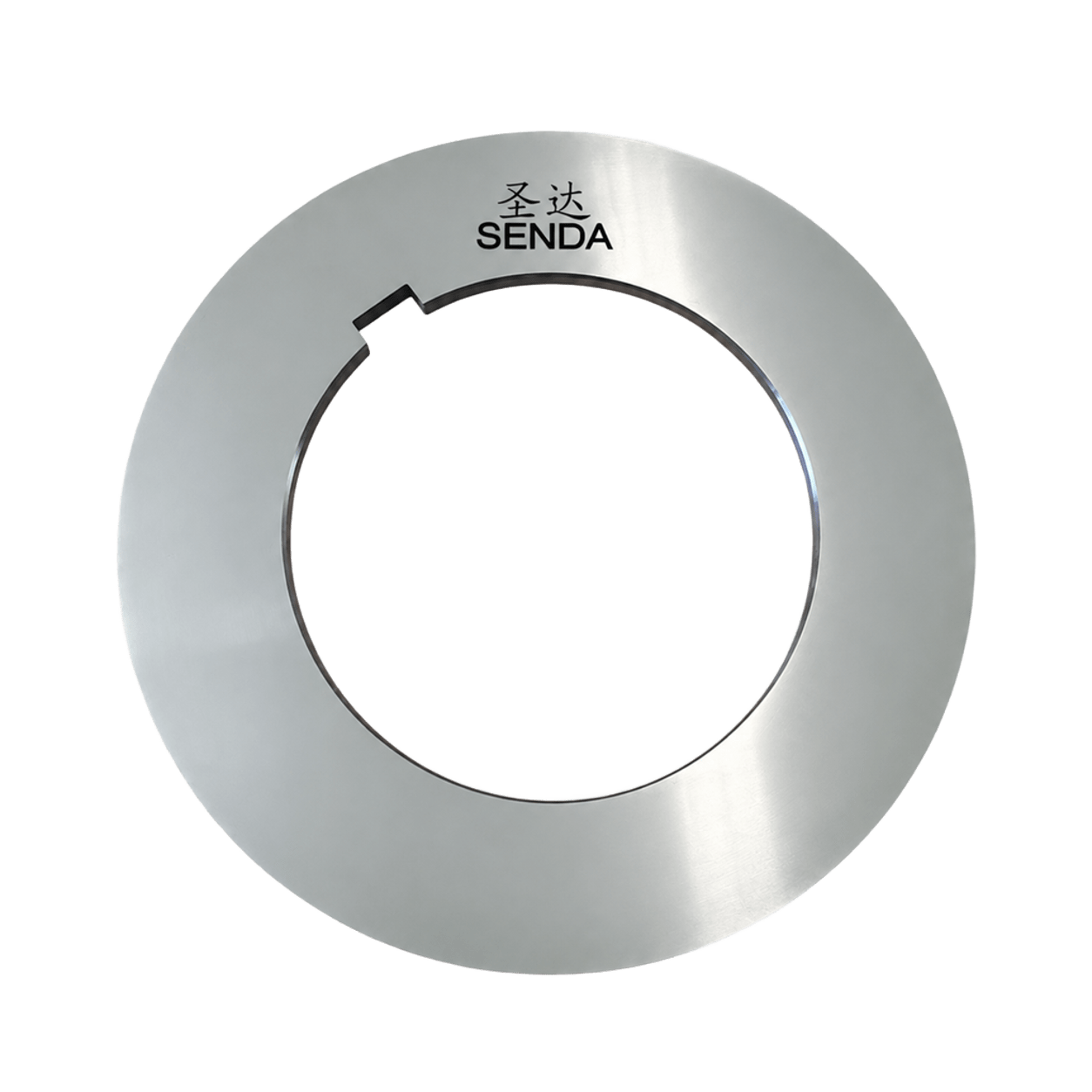
这是示例文本,单击 “编辑” 按钮更改此文本。

Test our quality before you buy. Just ask for a free sample!
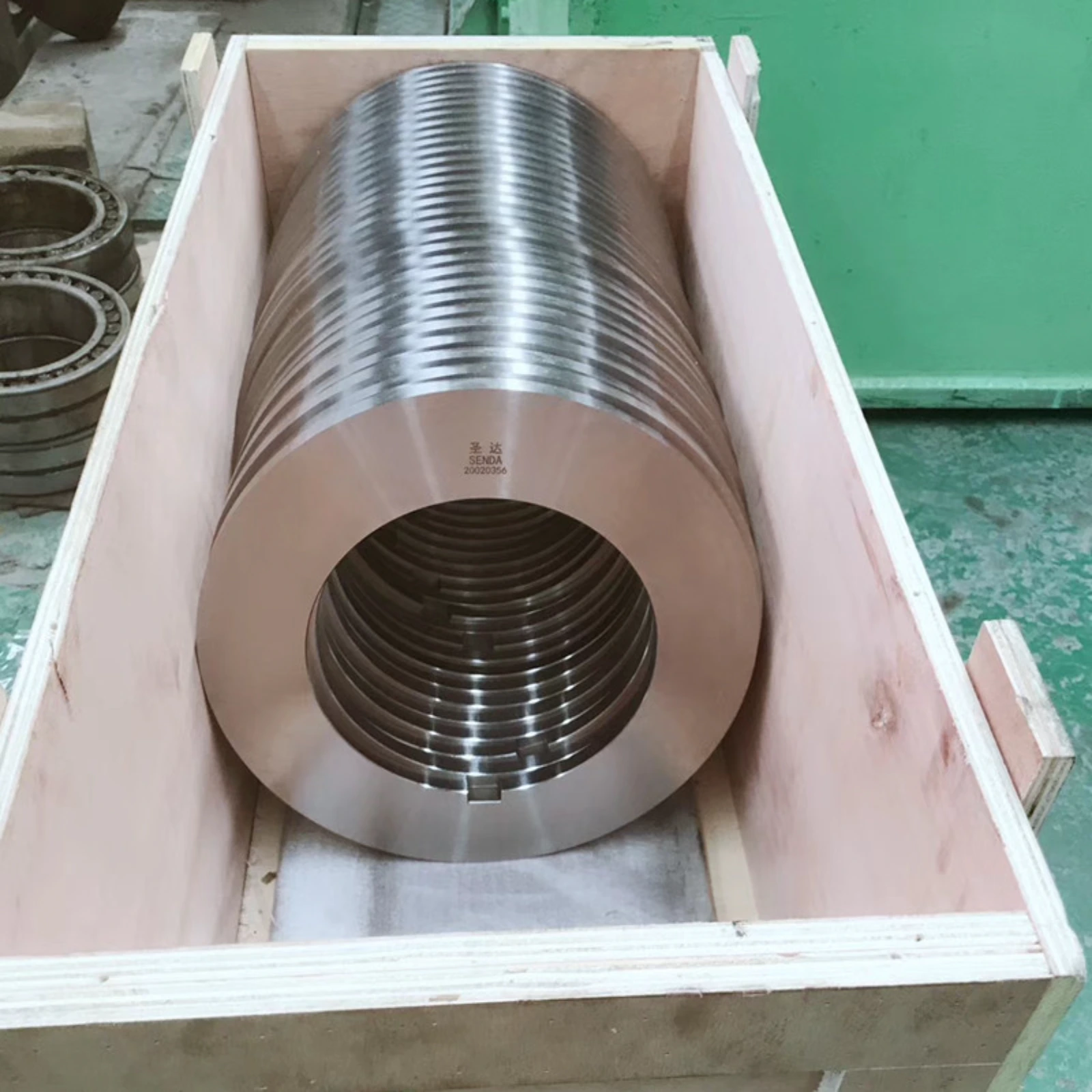
这是示例文本,单击 “编辑” 按钮更改此文本。qdxwecWhat Is a CNC Knife BladeWhat Is a CNC Knife BladeWhat Is a CNC Knife BladeWhat Is a CNC Knife BladeWhat Is a CNC Knife BladeWhat Is a CNC Knife BladeWhat Is a CNC Knife BladeWhat Is a CNC Knife BladeWhat Is a CNC Knife BladeWhat Is a CNC Knife BladeWhat Is a CNC Knife Blade
The cutting angle is the angle between the blade’s cutting face and the material surface. This parameter is critical for cutting performance and tool longevity, and its design must account for factors like material hardness, cutting speed, and feed rate. An optimal cutting angle reduces friction and cutting resistance, improving overall efficiency and cut quality while enhancing the blade’s strength and durability.
Cutting Angle
Maximum cutting depth is the deepest a blade can penetrate the material in a single pass. This parameter directly impacts machining efficiency and quality. Selecting the correct depth ensures the tool remains stable, reduces vibration and wear, and improves both accuracy and tool life. The ideal maximum depth depends on the material’s hardness, the blade’s strength, and the machine’s capabilities.
Maximum Cutting Depth
Drag blades are a type of insert used for drag machining, usually with a large cutting area and high cutting forces. They are mainly used for removing large amounts of material in processes such as milling and planing. Drag cutting inserts usually have high wear resistance and toughness to ensure stable cutting performance over long periods of time.
Cutting Angle
Drag blades are a type of insert used for drag machining, usually with a large cutting area and high cutting forces. They are mainly used for removing large amounts of material in processes such as milling and planing. Drag cutting inserts usually have high wear resistance and toughness to ensure stable cutting performance over long periods of time.
Cutting Angle
这是示例文本,单击 “编辑” 按钮更改此文本。
The cutting angle is the angle between the blade’s cutting face and the material surface. This parameter is critical for cutting performance and tool longevity, and its design must account for factors like material hardness, cutting speed, and feed rate. An optimal cutting angle reduces friction and cutting resistance, improving overall efficiency and cut quality while enhancing the blade’s strength and durability.
Cutting Angle
Maximum cutting depth is the deepest a blade can penetrate the material in a single pass. This parameter directly impacts machining efficiency and quality. Selecting the correct depth ensures the tool remains stable, reduces vibration and wear, and improves both accuracy and tool life. The ideal maximum depth depends on the material’s hardness, the blade’s strength, and the machine’s capabilities.
Maximum Cutting Depth
The cutting angle is the angle between the blade’s cutting face and the material surface. This parameter is critical for cutting performance and tool longevity, and its design must account for factors like material hardness, cutting speed, and feed rate. An optimal cutting angle reduces friction and cutting resistance, improving overall efficiency and cut quality while enhancing the blade’s strength and durability.
Cutting Angle
Maximum cutting depth is the deepest a blade can penetrate the material in a single pass. This parameter directly impacts machining efficiency and quality. Selecting the correct depth ensures the tool remains stable, reduces vibration and wear, and improves both accuracy and tool life. The ideal maximum depth depends on the material’s hardness, the blade’s strength, and the machine’s capabilities.
Maximum Cutting Depth
The cutting angle is the angle between the blade’s cutting face and the material surface. This parameter is critical for cutting performance and tool longevity, and its design must account for factors like material hardness, cutting speed, and feed rate. An optimal cutting angle reduces friction and cutting resistance, improving overall efficiency and cut quality while enhancing the blade’s strength and durability.
Cutting Angle
Maximum cutting depth is the deepest a blade can penetrate the material in a single pass. This parameter directly impacts machining efficiency and quality. Selecting the correct depth ensures the tool remains stable, reduces vibration and wear, and improves both accuracy and tool life. The ideal maximum depth depends on the material’s hardness, the blade’s strength, and the machine’s capabilities.
Maximum Cutting Depth
这是示例文本,单击 “编辑” 按钮更改此文本。
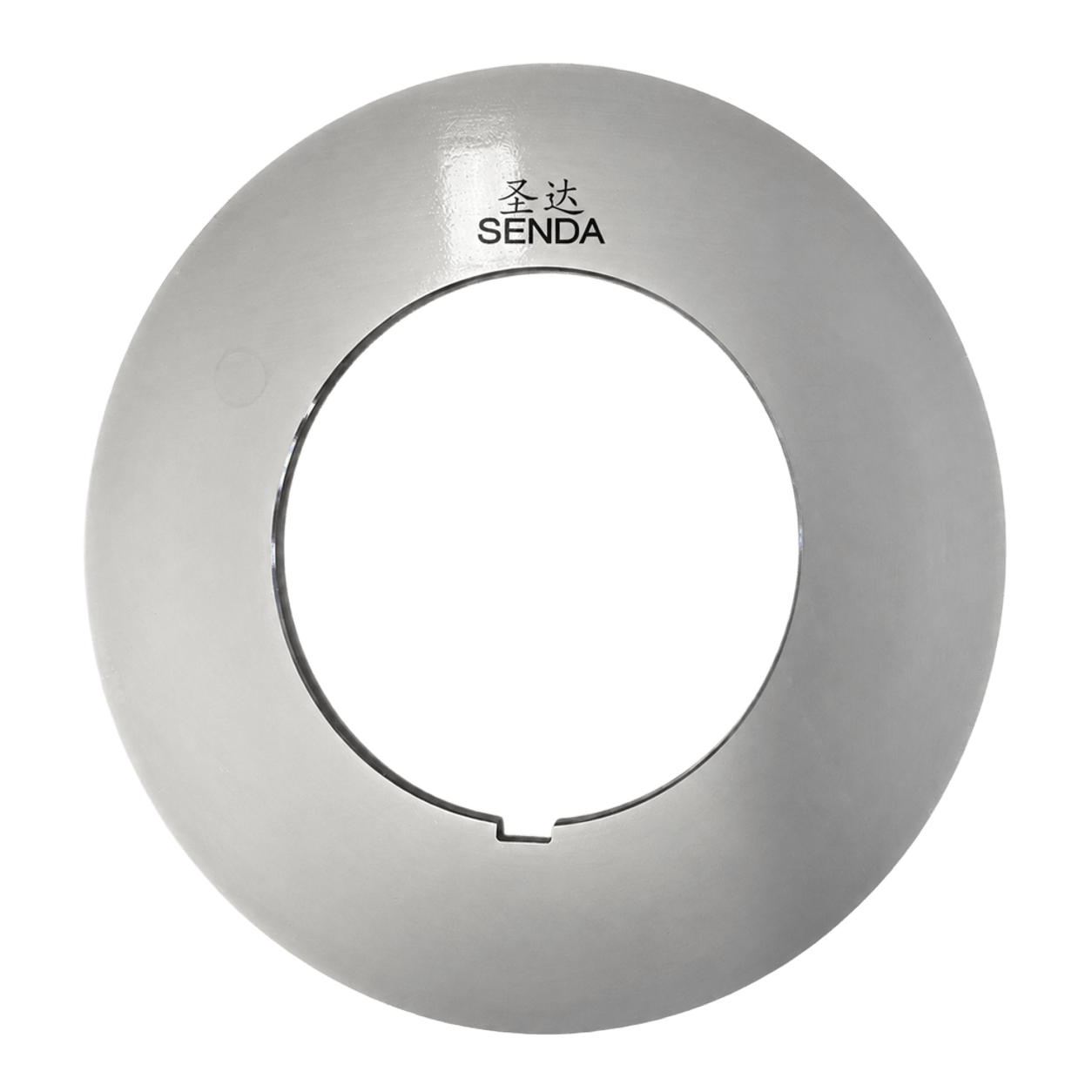
Carbide Tipped Slitter Knife
Drag blades are a type of insert used for drag machining, usually with a large cutting area and high cutting forces. They are mainly used for removing large amounts of material in processes such as milling and planing. Drag cutting inserts usually have high wear resistance and toughness to ensure stable cutting performance over long periods of time.
Carbide Tipped Slitter Knife
Drag blades are a type of insert used for drag machining, usually with a large cutting area and high cutting forces. They are mainly used for removing large amounts of material in processes such as milling and planing. Drag cutting inserts usually have high wear resistance and toughness to ensure stable cutting performance over long periods of time.
Carbide Tipped Slitter Knife
Drag blades are a type of insert used for drag machining, usually with a large cutting area and high cutting forces. They are mainly used for removing large amounts of material in processes such as milling and planing. Drag cutting inserts usually have high wear resistance and toughness to ensure stable cutting performance over long periods of time.
Carbide Tipped Slitter Knife
Drag blades are a type of insert used for drag machining, usually with a large cutting area and high cutting forces. They are mainly used for removing large amounts of material in processes such as milling and planing. Drag cutting inserts usually have high wear resistance and toughness to ensure stable cutting performance over long periods of time.
这是示例文本,单击 “编辑” 按钮更改此文本。
Carbide Tipped Slitter Knife
Drag blades are a type of insert used for drag machining, usually with a large cutting area and high cutting forces. They are mainly used for removing large amounts of material in processes such as milling and planing. Drag cutting inserts usually have high wear resistance and toughness to ensure stable cutting performance over long periods of time.
Carbide Tipped Slitter Knife
Drag blades are a type of insert used for drag machining, usually with a large cutting area and high cutting forces. They are mainly used for removing large amounts of material in processes such as milling and planing. Drag cutting inserts usually have high wear resistance and toughness to ensure stable cutting performance over long periods of time.
Carbide Tipped Slitter Knife
Drag blades are a type of insert used for drag machining, usually with a large cutting area and high cutting forces. They are mainly used for removing large amounts of material in processes such as milling and planing. Drag cutting inserts usually have high wear resistance and toughness to ensure stable cutting performance over long periods of time.
Carbide Tipped Slitter Knife
Drag blades are a type of insert used for drag machining, usually with a large cutting area and high cutting forces. They are mainly used for removing large amounts of material in processes such as milling and planing. Drag cutting inserts usually have high wear resistance and toughness to ensure stable cutting performance over long periods of time.
Carbide Tipped Slitter Knife
Drag blades are a type of insert used for drag machining, usually with a large cutting area and high cutting forces. They are mainly used for removing large amounts of material in processes such as milling and planing. Drag cutting inserts usually have high wear resistance and toughness to ensure stable cutting performance over long periods of time.
Carbide Tipped Slitter Knife
Drag blades are a type of insert used for drag machining, usually with a large cutting area and high cutting forces. They are mainly used for removing large amounts of material in processes such as milling and planing. Drag cutting inserts usually have high wear resistance and toughness to ensure stable cutting performance over long periods of time.
这是示例文本,单击 “编辑” 按钮更改此文本。
Carbide Tipped Slitter Knife
Drag blades are a type of insert used for drag machining, usually with a large cutting area and high cutting forces. They are mainly used for removing large amounts of material in processes such as milling and planing. Drag cutting inserts usually have high wear resistance and toughness to ensure stable cutting performance over long periods of time.
Carbide Tipped Slitter Knife
Drag blades are a type of insert used for drag machining, usually with a large cutting area and high cutting forces. They are mainly used for removing large amounts of material in processes such as milling and planing. Drag cutting inserts usually have high wear resistance and toughness to ensure stable cutting performance over long periods of time.
Carbide Tipped Slitter Knife
Drag blades are a type of insert used for drag machining, usually with a large cutting area and high cutting forces. They are mainly used for removing large amounts of material in processes such as milling and planing. Drag cutting inserts usually have high wear resistance and toughness to ensure stable cutting performance over long periods of time.
Carbide Tipped Slitter Knife
Drag blades are a type of insert used for drag machining, usually with a large cutting area and high cutting forces. They are mainly used for removing large amounts of material in processes such as milling and planing. Drag cutting inserts usually have high wear resistance and toughness to ensure stable cutting performance over long periods of time.
这是示例文本,单击 “编辑” 按钮更改此文本。
这是示例文本,单击 “编辑” 按钮更改此文本。
What if I don't know the difference between each material?
Based on the hardness and thickness of the material being cut and the production conditions, we help confirm whether the blade material, heat treatment and blade structure match the current application.
Based on the hardness and thickness of the material being cut and the production conditions, we help confirm whether the blade material, heat treatment and blade structure match the current application.
What if I don't know the difference between each material?
Based on the hardness and thickness of the material being cut and the production conditions, we help confirm whether the blade material, heat treatment and blade structure match the current application.
What if I don't know the difference between each material?
Based on the hardness and thickness of the material being cut and the production conditions, we help confirm whether the blade material, heat treatment and blade structure match the current application.
What if I don't know the difference between each material?
Based on the hardness and thickness of the material being cut and the production conditions, we help confirm whether the blade material, heat treatment and blade structure match the current application.